

Scientists develop a process to separate fibers from textile waste
Although mechanical recycling is the most widely used method, it cannot deal with multi-fiber textiles. The new approach promises to effectively recycle this waste, and


Although mechanical recycling is the most widely used method, it cannot deal with multi-fiber textiles. The new approach promises to effectively recycle this waste, and

Shoe shopping is always a challenge, and the task seems to get more complicated when we want to find a good pair of shoes that
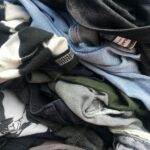
Between the common waste bin and the textile collection containers, we went to understand what is the best solution for the clothes that are in
 To discover businesses that are actively working to contribute to this Sustainable Development Goal, click here. To read news, interviews, or tips related to this Goal, click here. Want to know more about the 17 United Nations Sustainable Development Goals? Click here
Esta publicação também está disponível em:
 Português (Portuguese (Portugal))