Chefs on Fire. In this festival, leftover food is transformed into energy
Here comes another edition of Chefs on Fire, one of the most important gastronomic festivals in the country. In addition to the sustainability actions that
We didn't find any happenings mapped to your criteria.
Try the traditional search to find articles not yet mapped with RUA.
We didn't find any happenings mapped to your criteria.
Try the traditional search to find articles not yet mapped with RUA.
We didn't find any happenings mapped to your criteria.
Try the traditional search to find articles not yet mapped with RUA.
We didn't find any happenings mapped to your criteria.
Try the traditional search to find articles not yet mapped with RUA.
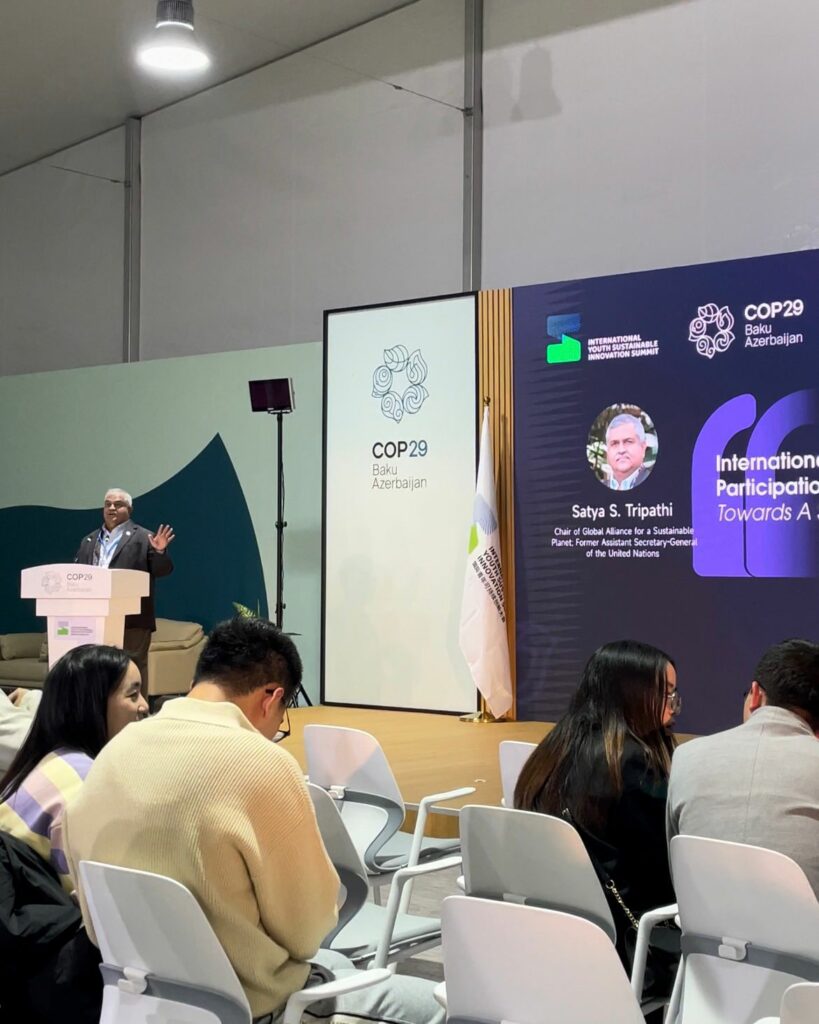
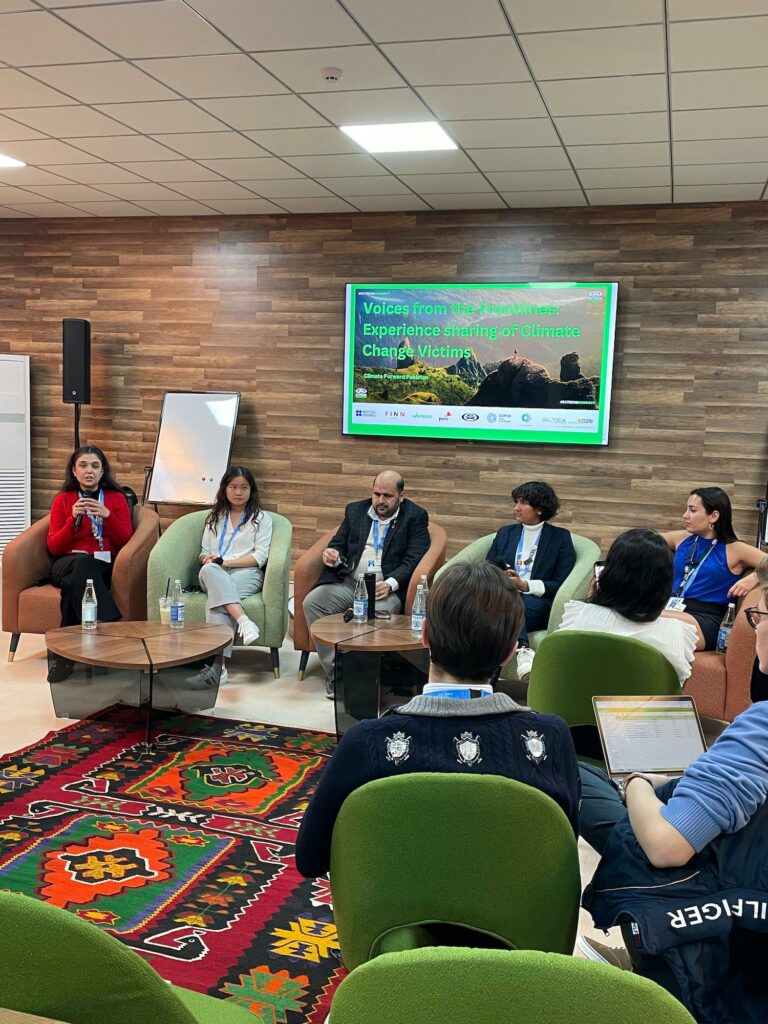
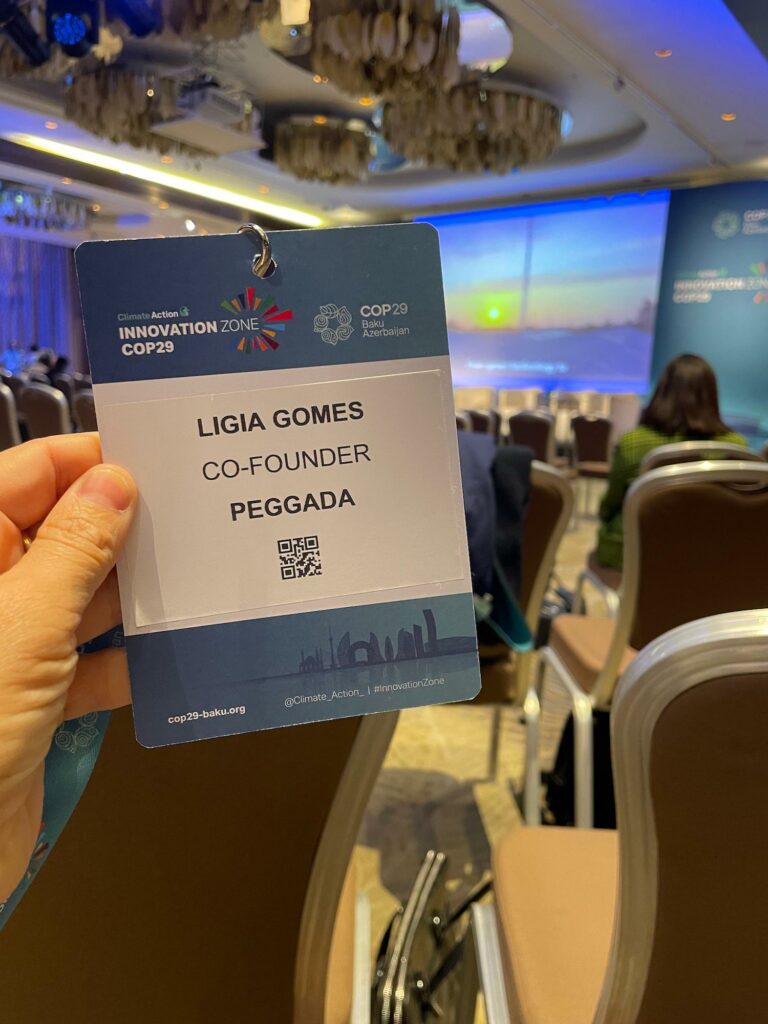
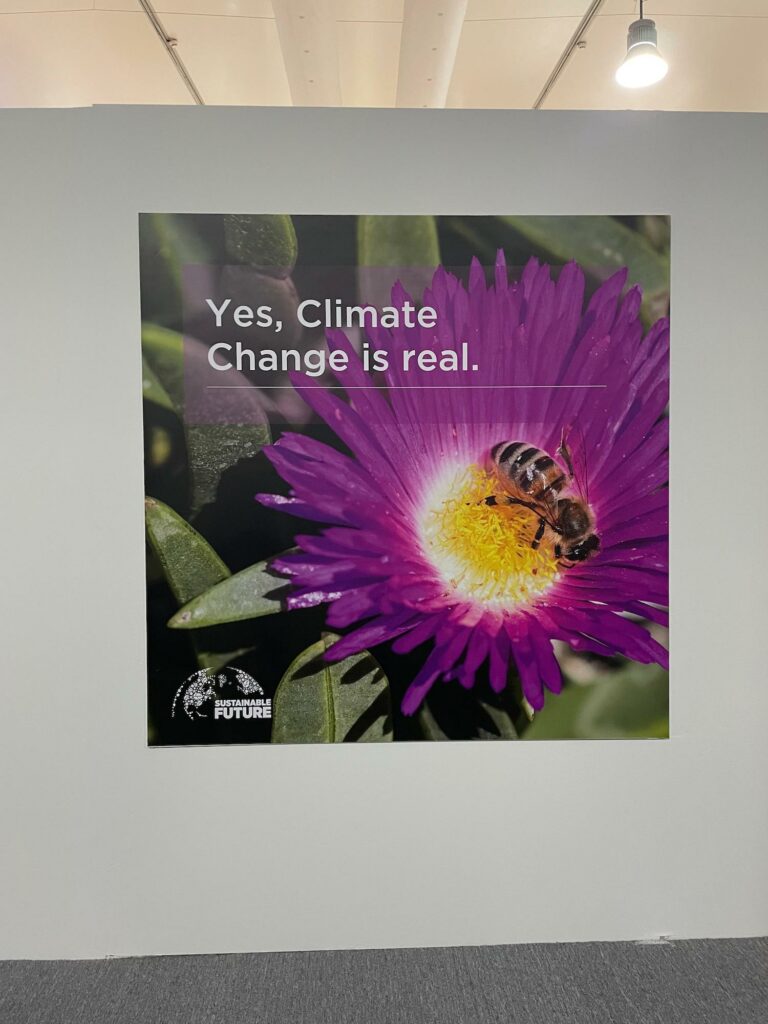
Peggada attended COP29 in Baku, where it experienced the debates, challenges and opportunities in the fight against climate change up close. Lígia Gomes gives a first-person account of everything she learned during her four days in Azerbaijan.
COP29 in Baku, Azerbaijan, has been dubbed “the COP of Finance”, due to its central focus on unlocking essential funds to tackle climate challenges.
However, as with so many other editions of the conference, the question remains: will it deliver concrete results or will it end up as yet another exercise in rhetoric without action?
This year’s event takes place under the shadow of Donald Trump’s recent re-election in the United States, which raises global concerns due to his record of dismantling climate policies and threatening international collaboration in the fight against climate change.
Azerbaijan, the host country of the event, is a nation deeply linked to the fossil fuel industry, with oil and gas accounting for 90% of its exports. This scenario reflects a paradox faced at many COPs: the influence of industrial players who contribute significantly to global emissions, but also have the resources and visibility to promote solutions. Tensions are especially intense this time around, with critical debates on financing, climate justice and adaptation.
Taking part in this event was a life-changing experience, so here are my five main reflections from this trip:
COP29 put the spotlight on climate finance, with the discussion of a new target of one billion dollars a year by 2030.
However, activists and experts warn that this amount is far from enough, suggesting that around three billion a year would be needed to effectively support the global energy transition and climate adaptation in the most vulnerable countries. This disparity underlines the persistent gap between the commitments made by developed nations and the real needs of the communities most affected by climate change.
This is a crucial test for climate justice, which requires not just financial pledges but concrete action to reverse historical inequalities in the impact of and response to climate change.
COP29 is divided into two main spaces: the Blue Zone and the Green Zone, each with a distinct role in the event. The Blue Zone is an exclusive space, accessible only to official country delegations, intergovernmental organizations, accredited NGOs and the press. It is where formal negotiations take place on crucial topics such as carbon markets, the energy transition and climate finance. This environment is both technical and political, with discussions that shape global climate policies.
On the other hand, the Green Zone is open to the general public, making it a potentially more inclusive space. This environment is designed to involve civil society, companies, activists, artists and citizens interested in learning more about climate change.
However, while the Blue Zone deals with political decisions, the Green Zone should play a more significant role in climate education and social mobilization.
If the Green Zone were more strategically oriented, it could act as a powerful vehicle for translating the complexity of the Blue Zone to the general public, highlighting the relevance of political and technical work to people’s daily lives. Actions such as educational workshops, interactive exhibitions and dialogues between experts and local communities could create a lasting impact, inspiring concrete action. It is essential to ensure that the public doesn’t just watch, but understands and feels motivated to act, transforming curiosity into environmental commitment.
Currently, the potential of this space is underutilized. For the COP to be truly inclusive, it is essential that the Green Zone is not just a stage for institutional initiatives, but a laboratory for ideas and a space for collective empowerment.
The presence of large companies in the Green Zone, often linked to fossil fuels, is a source of controversy. Despite presenting green initiatives, many continue to expand climate-damaging operations. Talks organized by corporations often emphasize self-promotion rather than tangible measures to inspire change. It is crucial that events like COP29 promote transparency and accountability, requiring companies to demonstrate consistent and measurable actions to reduce their emissions. At the same time, the voice of local communities and activists who, with limited resources, are already leading transformative climate projects must be amplified.
Only with an inclusive approach will it be possible to combat greenwashing and ensure that the climate transition is authentic and equitable.
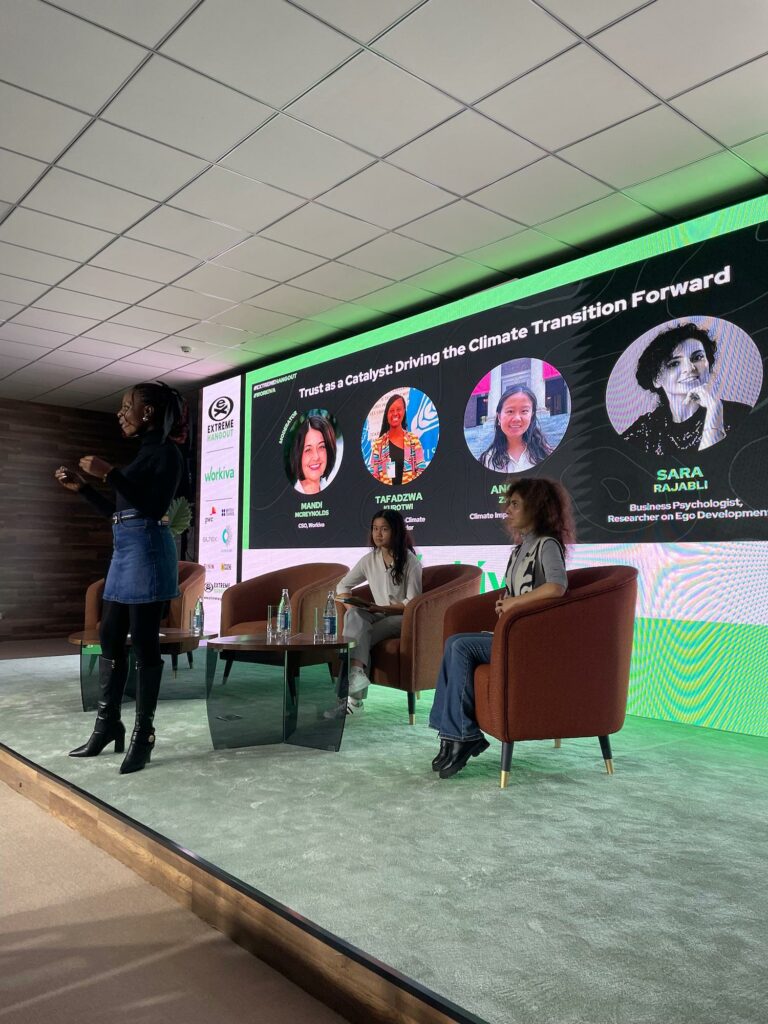
Seeing the strength and resilience of young people was one of the highlights of these days – they are the ones demanding a place in decisions and creating innovative solutions. Spaces like the Extreme Hangout show how the energy and creativity of the new generations can catalyze real change.
One of the biggest lessons I took away was the power of local stories and actions to inspire change. Innovative projects presented in the Green Zone, as well as initiatives in communities in developing countries, reinforce that concrete and replicable solutions exist, but lack amplification and political support. This practical approach could be the key to fostering a more inclusive and efficient global movement.
Despite decades of climate summits and ambitious declarations, the gap between the commitments made and real action on the ground remains an alarming issue. At COP29, topics such as climate finance and carbon markets dominated the discussions, but a sense of frustration persisted: the decisions taken do not keep pace with the speed with which climate change is shaping the planet.
The climate crisis is already a reality for millions of people around the world. Vulnerable communities face more intense storms, prolonged droughts and the loss of livelihoods. However, international responses often fall short, limited to vague targets and promises of funding that, in practice, rarely reach the most affected countries.
The science is clear: to avoid the worst impacts of climate change, global emissions need to be reduced by 43% by 2030, according to the IPCC. Despite this, many of the richest countries, which bear the greatest historical responsibility for emissions, continue to finance fossil fuel projects and postpone deep structural changes.
What’s missing? Not only more ambition, but also a bolder political will. We need governments that listen to scientists and communities instead of giving in to pressure from economic interests. We need a private sector that recognizes that the transition is not only a moral obligation, but also an opportunity for innovation and sustainable growth. And above all, we need informed and mobilized citizens to demand immediate action.
COP29 reaffirms the message that time is against us, but it also shows that even in scenarios of political inertia, there are movements on the ground creating an impact. Every action, no matter how small, contributes to a global movement that cannot be ignored. Now, more than ever, it’s time to turn words into action.
Even with the impasses and contradictions, I came away from this experience inspired. Participating in parallel conferences, such as the Climate Action Innovation Zone, showed me concrete examples of innovation that can accelerate the transition to a sustainable future. I learned about projects that go beyond words, bringing real solutions to climate challenges. Whether through public pressure, youth leadership or the tireless work of activists, the message is clear: there is no more room for inaction. For those who believe that “one person cannot make a difference”, COP29 proves that every voice is essential.

Here comes another edition of Chefs on Fire, one of the most important gastronomic festivals in the country. In addition to the sustainability actions that

From July 31st to August 4th there will be another edition of the Tradidanças festival, the one that gets everyone of all ages dancing for

Greenpeace opens office in Portugal and brings the icebreaker Artic Sunrise. The organization’s focus will be on fighting fires and protecting biodiversity, especially the oceans.
This article addresses an action that strengthens the means of implementation and revitalizes the Global Partnership for Sustainable Development. This SDG supports the creation of strong partnerships to achieve the ambitious goals of the 2030 Agenda.
Esta publicação também está disponível em:
Português (Portuguese (Portugal))